
Service pages
Start with the closest water damage and mold cleanup request for Los Angeles properties.
Practical, technical, no-fluff guides on water damage, mold, fire, smoke, and asbestos. Written by our restoration-focused field team.
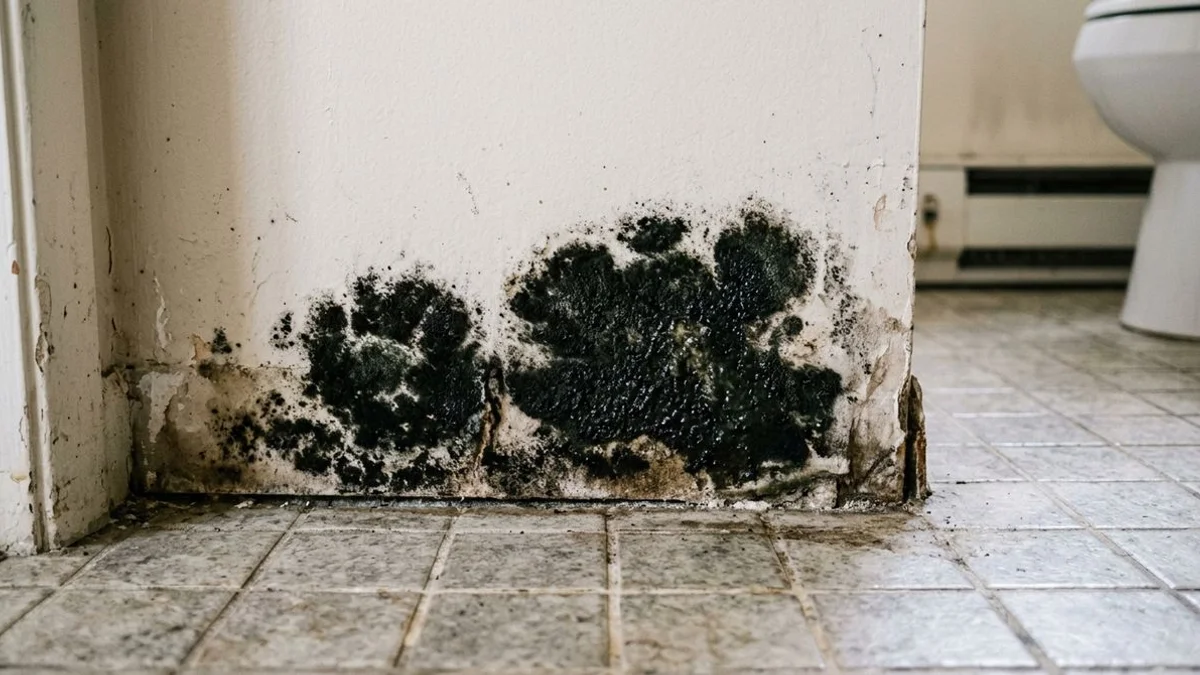
Spot hidden water damage early — staining, musty smell, rising water bills, warped floors. LA inspection questions: 747-335-5310.
Read guide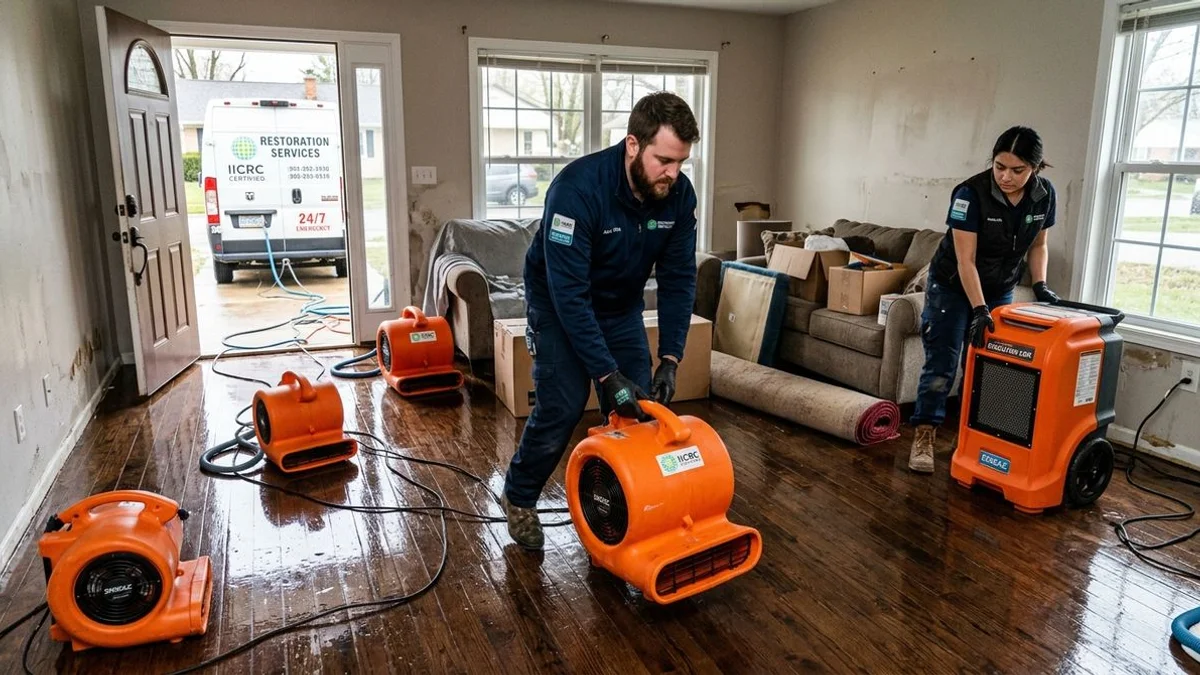
From assessment to drying to rebuild — our water category process explained. Typical 3–7 day timeline. Greater LA: 747-335-5310.
Read guideCall with the property details and availability can be reviewed during scheduling.
These pages cover the real situations people ask about before they call: active leaks, wet drywall, sewage, apartment damage, and mold after water leaks.
Standing water, soaked flooring, and urgent extraction calls.
Category 3 water, backups, containment, and safe cleanup.
Pipe breaks, shutoff steps, drying, and insurance documentation.
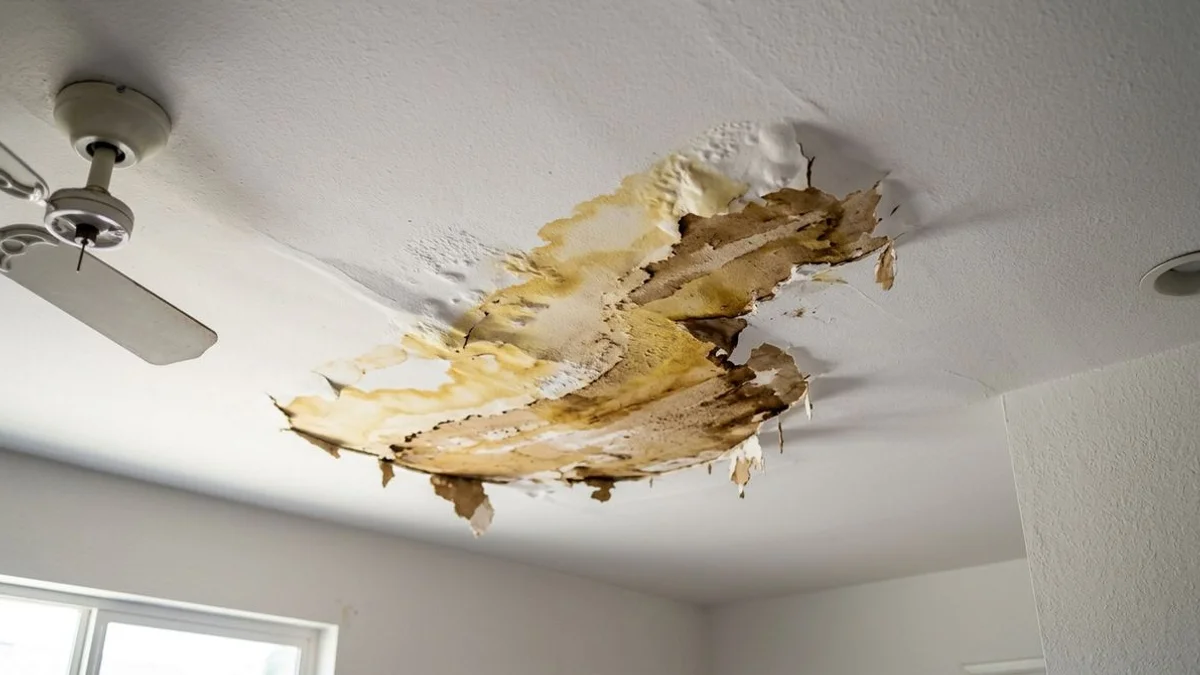
Ceiling stains, sagging drywall, upstairs leaks, and mold risk.
What to do while water is actively dripping overhead.
Drywall moisture checks, drying decisions, and removal signs.
Musty odors, growth after leaks, containment, and testing.
Overflowed toilets, tubs, supply lines, and wet flooring.
Tenant, landlord, HOA, and multi-unit leak documentation.
Offices, retail spaces, apartments, and after-hours response.
Related planning pages
Use this restoration knowledge for greater la homeowners page to narrow the work before calling about homes, apartments, condos, retail spaces, offices, ceilings, drywall, and bathrooms. The links below keep service, area, and guide details connected.
Start with the closest water damage and mold cleanup request for Los Angeles properties.
Use local pages when apartments, condos, hillside homes, older plumbing, crawl spaces, and tenant access schedules across Greater LA affects access or timing.
Check warning signs, cost factors, and prep notes for water damage restoration.
Discovering mold-like growth after a water leak in your Los Angeles home can be concerning. Understanding how to document the issue, manage moisture, and determine the need for testing or remediation is crucial for a healthy living environment.