
Signs of black mold (Stachybotrys) in Your LA Home
Black mold warning signs can include musty smell, persistent damp materials, and dark growth. LA mold inspection questions: 747-335-5310.
We see countless homeowners panic over simple mildew.
Finding signs of black mold is definitely a serious concern.
Most dark spots are just harmless surface fungi, but true Stachybotrys chartarum requires immediate action and professional mold remediation under mold cleanup guidance containment standards. The distinction matters because treating everyday mildew like a severe hazard wastes valuable time and money.
Our team will break down the precise visual clues and outline exactly how to handle a potential contamination.
What Stachybotrys actually looks like: Signs of black mold
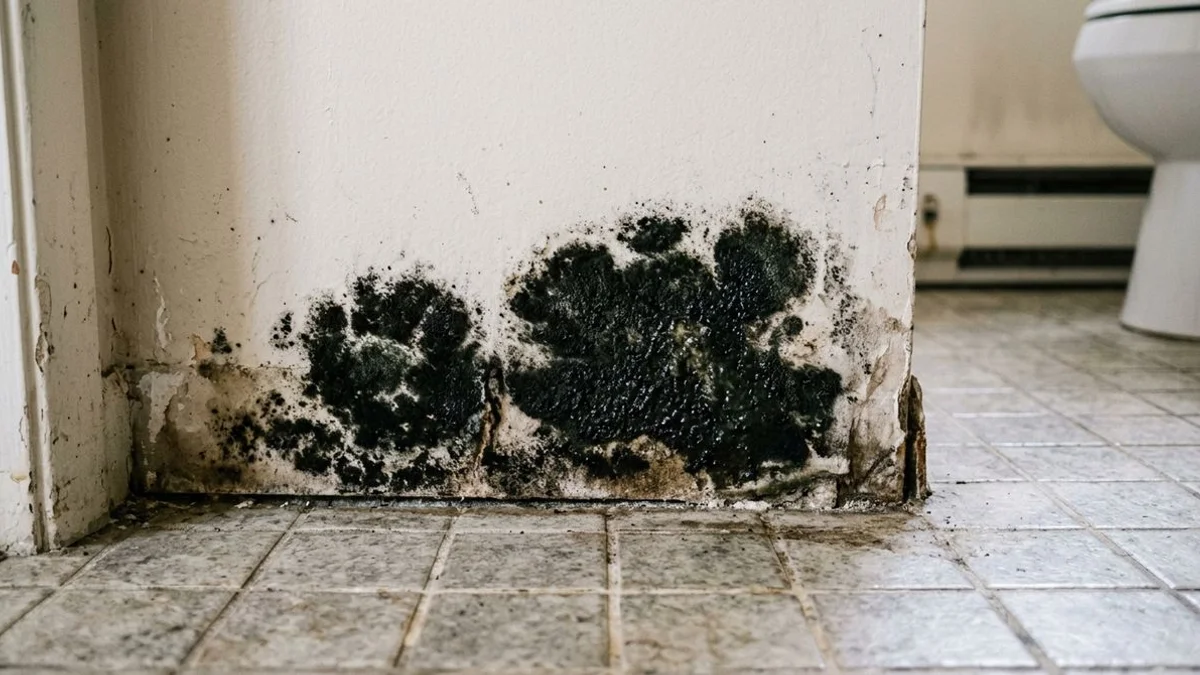
Our technicians often arrive at homes expecting the worst, only to find common dust or mildew. True Stachybotrys colonies share very specific visual traits. The CDC confirms that this fungus is a tertiary colonizer, meaning it only appears after severe moisture has saturated a space for several days or weeks.
Here are the main visual identifiers:
- Slimy or wet appearance: Stachybotrys needs a very high water activity level (above 0.94) to grow. Dry patches are rarely this specific fungus.
- Cellulose preference: The growth heavily targets materials like drywall paper, wood, and ceiling tiles.
- Dark green-black color: The edges sometimes display a slight yellow undertone.
- Gradient growth pattern: Colonies expand outward from the original moisture source. A clean circular shape is a strong indicator.
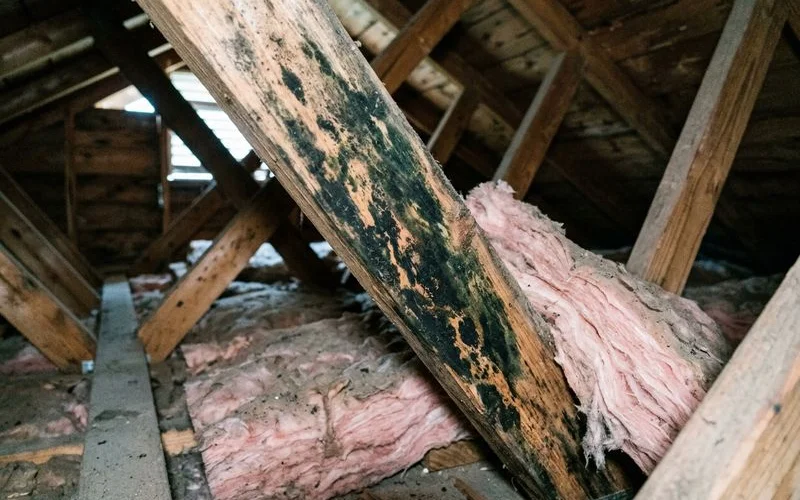
We consistently find these growths behind drywall in bathrooms, hidden in damp attics, or tucked behind tile. If the texture is powdery and light gray, you are likely dealing with Cladosporium or Aspergillus. These common molds still require cleaning, but they present a much lower immediate risk.
What it smells like
Active mold colonies release microbial volatile organic compounds, commonly known as MVOCs. These gases produce a distinctive, heavy odor that smells like rotting wood or wet cardboard.
Our noses often detect the problem long before we see any physical damage. This smell occurs because the fungus is actively breaking down the building materials.
For Stachybotrys specifically, the odor is much heavier and more persistent than standard shower mildew.
- Strong, localized odors: The smell concentrates heavily in small spaces like closets or attic accesses.
- Earthy, damp qualities: The scent strongly resembles an old basement that has flooded.
You should investigate if you notice a concentrated, earthy smell in a vacant room. Waiting for visible spots can allow the repair scope to grow.
Symptoms in the people who live there
People can react differently to damp indoor environments. If anyone has symptoms or medical concerns, speak with a qualified medical professional while the property issue is inspected.
Property clues that can justify a closer inspection include:
- Persistent musty odor: Odors that return after cleaning or ventilation.
- Recurring dampness: Materials that stay damp or stain again after drying.
- Hidden moisture signs: Peeling paint, swollen trim, or soft drywall near the source.
- Visible spread: Growth that returns or expands from the original wet area.
We always advise speaking with a medical professional rather than attempting a self-diagnosis. A cluster of moisture signs is a strong reason to inspect the affected area.
Where it hides in Greater LA homes
The 2026 California Water Watch highlighted heavy rains influenced by La Niña, which forced unprecedented moisture into local structures. Finding black mold los angeles homeowners didn’t expect is increasingly common after these intense storms.
Our local inspections reveal a few consistent hiding spots throughout the region. The most frequent problem areas include:
- Attics and rooflines: Wind-driven rain pushes water past typical roofing barriers, saturating flat ceilings in San Fernando Valley homes.
- Crawlspaces and foundations: Southern California slab-on-grade foundations easily trap hillside runoff.
- Bathrooms and showers: Failed waterproofing behind vanities allows water to seep into the drywall.
- HVAC systems: Clogged condensate drain lines overflow into surrounding framing.
- Kitchen cabinetry: Slow supply-line drips wick straight into the back wall.
Hidden water damage often becomes a full Stachybotrys infestation within 30 to 60 days of the original leak. Dry saturated materials quickly and document what was affected.
Why DIY testing usually misleads
Hardware store testing kits are popular because they are inexpensive, but they can be limited for judging severity or source.
Use them cautiously because they can provide a false sense of certainty. Stachybotrys spores are naturally covered in a wet slime. This sticky coating means they do not easily float through the air until the colony completely dries out and dies.
| DIY Settle Plates | Professional Spore Traps |
|---|---|
| Catches only heavy, falling dust | Pulls a calibrated volume of ambient air |
| Cannot identify specific mold types | Provides lab-reviewed spore information |
| May not satisfy documentation requests | Often more useful for formal documentation |
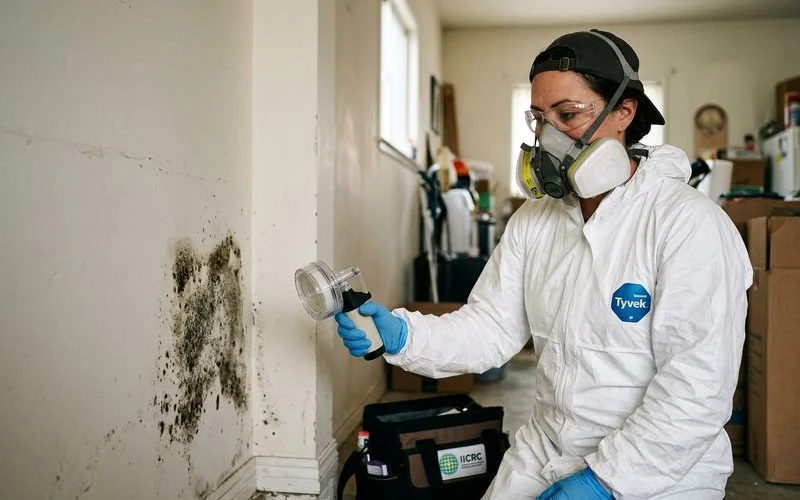
When formal documentation is needed, active sampling and lab review can compare indoor results against outdoor controls and other site details.
What to do next
Discovering visible growth is stressful, and disturbing materials before the source is understood can expand cleanup needs. Cost depends on access, materials, containment, demolition, drying, and verification requirements.
A cautious approach is usually best until the source and scope are understood. Follow these immediate steps if you suspect a problem:
- Leave the area alone: Scrubbing visible spots will aerosolize the sticky spores and contaminate other rooms.
- Turn off the HVAC: Circulating air through the affected room will blow the contamination throughout the entire house.
- Seal the room: Close the doors and limit all foot traffic in the space.
- Schedule an assessment: A cleanup plan often starts with source review, scope notes, containment questions, and documentation needs.
A visual inspection discussion can help organize photos, source details, and next steps.
Ruling out a problem early is always better than ignoring it.
Contact our team today to schedule your evaluation and protect your property.