
Nearby service requests
For asbestos testing before restoration in older la homes, check these adjacent services when more than one part of the property is affected.
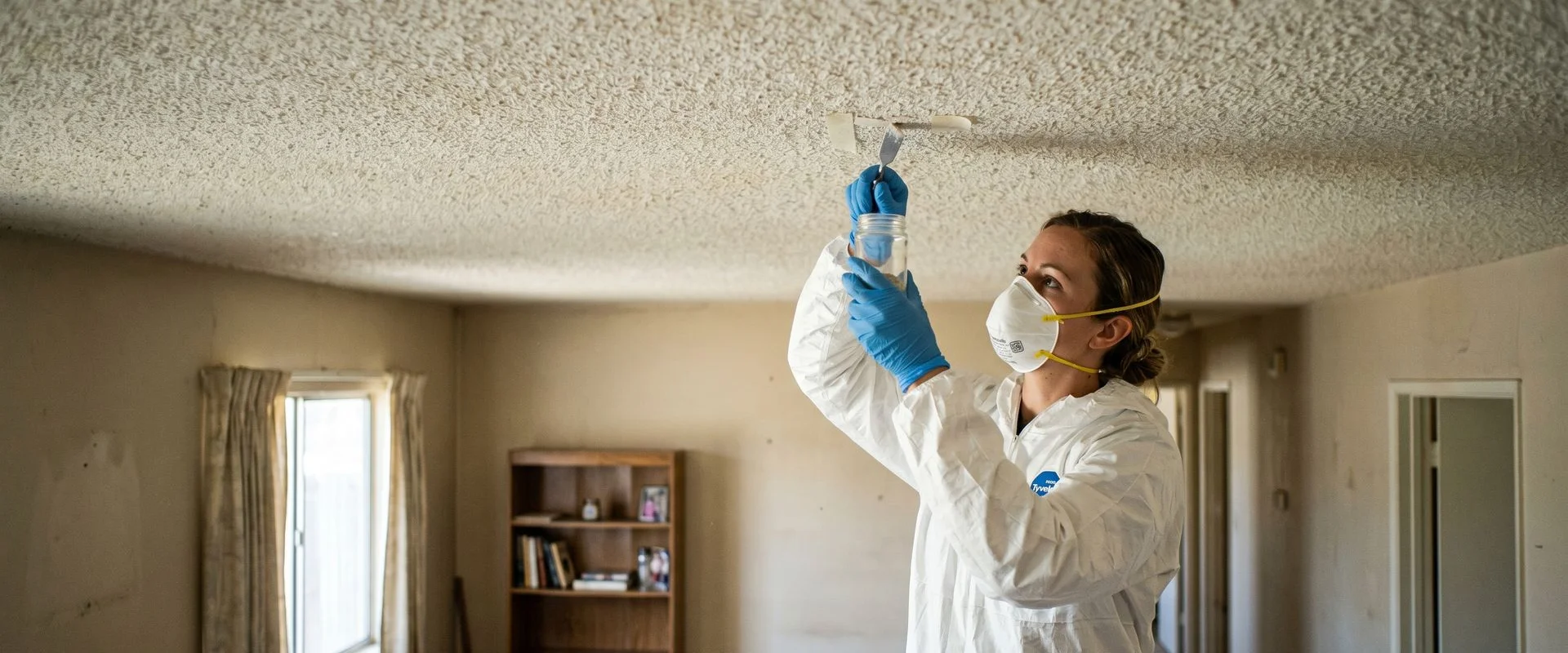
Asbestos sampling and testing before restoration of pre-1980 LA homes — popcorn ceilings, vinyl tile, pipe wrap, and roofing materials.
Are you dealing with an unexpected leak or a sudden flood in your older home? It is completely normal to feel a bit overwhelmed when water starts ruining your floors and ceilings, especially if you realize you might need Asbestos Testing.
We completely understand the stress of watching your property get damaged. Before jumping straight into the cleanup, there is one crucial step you need to take if your house was built a few decades ago.
Taking a moment to test means your water damage restoration or mold remediation can proceed safely and legally.
Restoring a classic California house often brings up some hidden challenges. The median year a home was built in Los Angeles is 1965, meaning well over 70% of local housing stock predates the 1980 cutoff for hazardous building materials.
We always verify the age of your property before making any sudden moves. Tearing into walls or running high-powered drying fans can release toxic fibers into the air. This creates a serious health hazard for your family and your pets.
Our testing process strictly follows the protocols set by the South Coast Air Quality Management District, specifically their Rule 1403. This local regulation requires a professional survey before any demolition or renovation begins.
Here are the biggest reasons to test before starting work:
We want to help you avoid those massive penalties and unexpected roadblocks. Getting the facts straight at the beginning keeps the entire project moving forward smoothly.
You might be surprised by how many common building products used to contain dangerous minerals. Manufacturers loved these materials because they were cheap, fire-resistant, and incredibly durable.
We regularly identify a wide variety of suspect items during our initial property inspections. The older your home is, the more likely you are to have these hidden dangers lurking behind your walls or under your floors.
Our team knows exactly where to look for these legacy building materials. A visual inspection is the first step in keeping your property safe.
Here is a list of the most common suspect materials found in Greater LA homes:
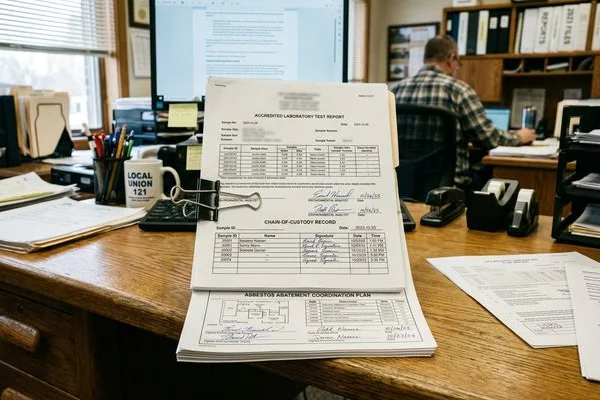
We collect samples of these items in sealed, labeled bags with a documented chain of custody. Proper handling ensures the fibers stay contained and the lab gets a clean specimen.
Our inspectors use a systematic approach to check the most likely problem areas. Here is a quick breakdown of where these materials usually hide in older local homes.
| Room or Area | Common Suspect Material | Disturbance Risk Level |
|---|---|---|
| Living Rooms & Bedrooms | Popcorn acoustic ceilings | High (Easily crumbles) |
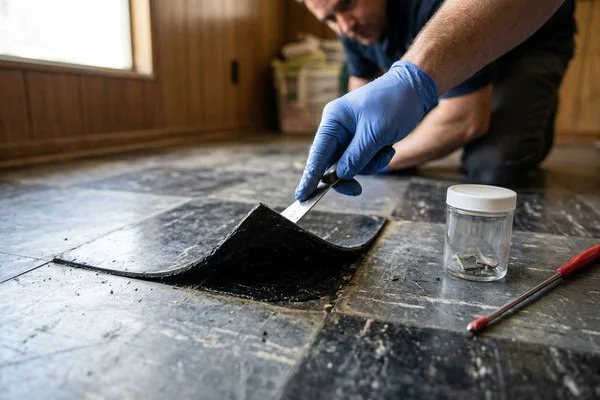
| Kitchens & Bathrooms | 9x9 vinyl floor tiles and mastic | Medium (Requires scraping) |
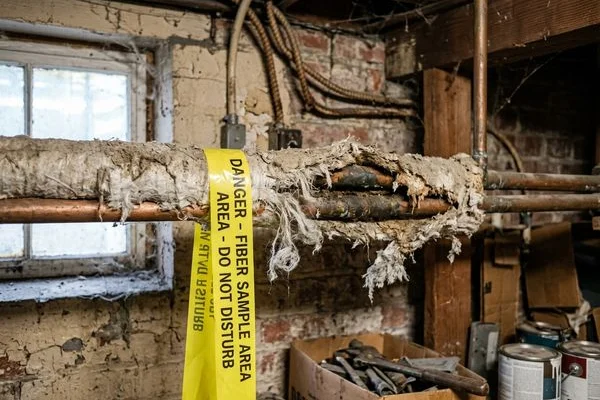
| Attics & Basements | HVAC duct wrap and pipe insulation | High (Fibers easily become airborne) |
| Exterior Roofs | Older roofing felt and shingles | Medium (Weathering causes flaking) |
A quick tip from the field is to be extremely careful with old flooring. Many homeowners pull up a retro vinyl tile, thinking it is harmless, only to expose the highly toxic black mastic glue underneath.
Sending samples off for professional analysis is the only way to know for sure what we are dealing with. You simply cannot tell if a material is dangerous just by looking at it with the naked eye.
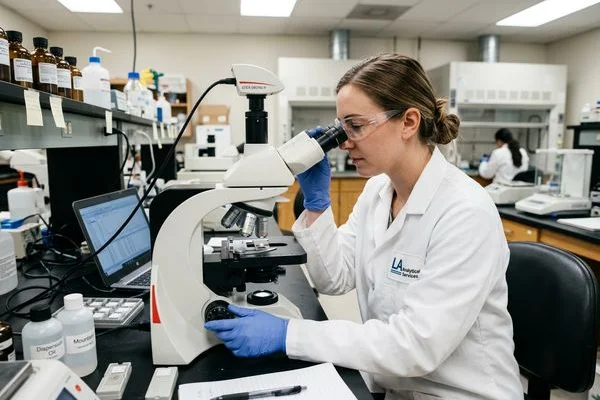
We use independent environmental laboratories that hold a National Voluntary Laboratory Accreditation Program certification. This NVLAP accreditation, managed by the National Institute of Standards and Technology, helps support more reliable documentation.
Our standard testing method is Polarized Light Microscopy, commonly known as PLM. This technique uses special lenses to identify the specific fiber type and calculate the exact percentage of contamination in the sample.
Waiting for lab results can feel stressful when your home is in disarray. The standard turnaround time for a PLM test is 24 to 72 hours.
We can also request expedited rush service if you have an active water emergency. Certain Los Angeles NVLAP labs can turn results around in as little as two to four hours for an additional fee.
Here is exactly how the test results dictate your next steps:
A very common mistake is assuming a low percentage means zero risk. California has incredibly strict regulations, and even hitting exactly 1% requires a completely different, highly regulated approach to demolition.
Getting a positive lab result can feel like a major setback. It is actually a huge win for your safety, because it means you caught a toxic hazard before it was blown all over your house.
We immediately pause any intrusive work when a test comes back positive. Asbestos abatement is a highly regulated specialty that is completely separate from standard water or fire restoration.
Our company coordinates directly with specialized professionals to handle the removal. In California, these experts must hold a specific C-22 contractor license and be officially registered with the Division of Occupational Safety and Health.
Bringing in DOSH-registered contractors ensures the hazard is removed safely and legally. They set up heavy-duty plastic containment zones and use negative air pressure machines equipped with HEPA filters to trap every stray fiber.
We manage the scheduling and update the estimate of work for your insurance carrier. Keeping the adjuster informed ensures the abatement costs are properly documented and covered under your policy if applicable.
Here is the exact sequence of events after a positive test:
This coordinated process is exactly why testing first is so important. Discovering hazardous materials mid-job triggers a mandatory Procedure 5 Clean-Up under SCAQMD rules, which requires expensive decontamination of your entire property.
Our upfront testing costs typically range from varies by scope to varies by scope depending on the number of samples. This small initial investment in professional Asbestos Testing easily protects you from five-figure surprises and ensures your family breathes easy.
If you suspect your older home has dangerous materials, reach out to our team today to schedule an inspection and keep your renovation safe.
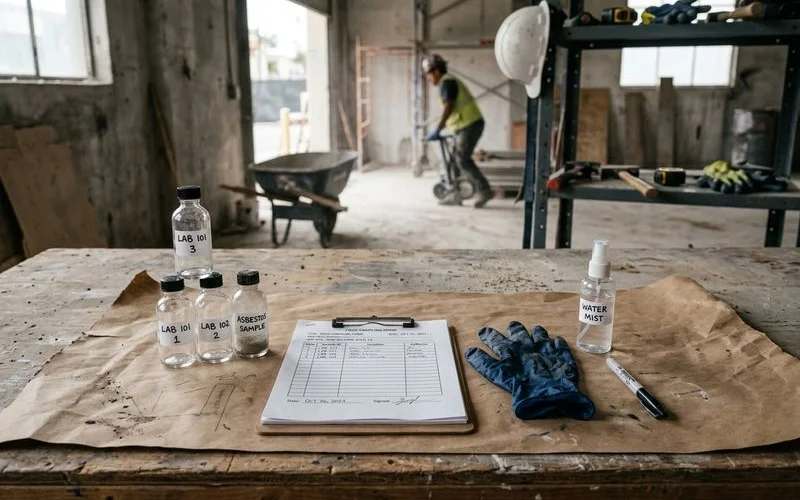
We identify suspect materials — popcorn ceilings, 9×9 vinyl tile, pipe wrap, joint compound, roofing felt — based on home age and visible cues.
Sampling, labeling, and documentation should follow applicable local requirements.
Lab analysis and turnaround timing should be confirmed during scheduling.
Negative result: restoration begins. Positive: we coordinate qualified abatement first, then restoration starts.
Call now — we prioritize urgent requests and help document the job for your insurance discussion. urgent across Greater LA and the San Fernando Valley.
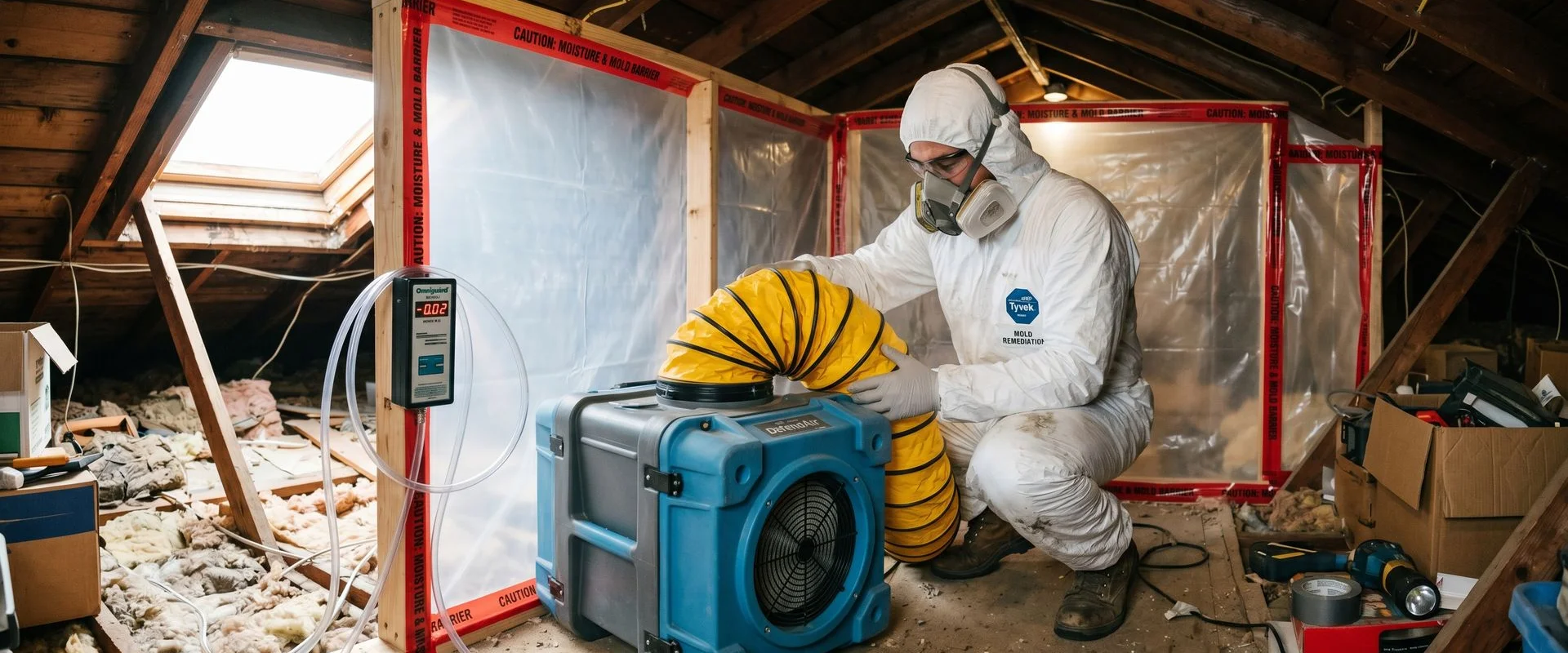
mold cleanup planning mold inspection, containment, removal, and post-remediation verification for homes and commercial buildings.
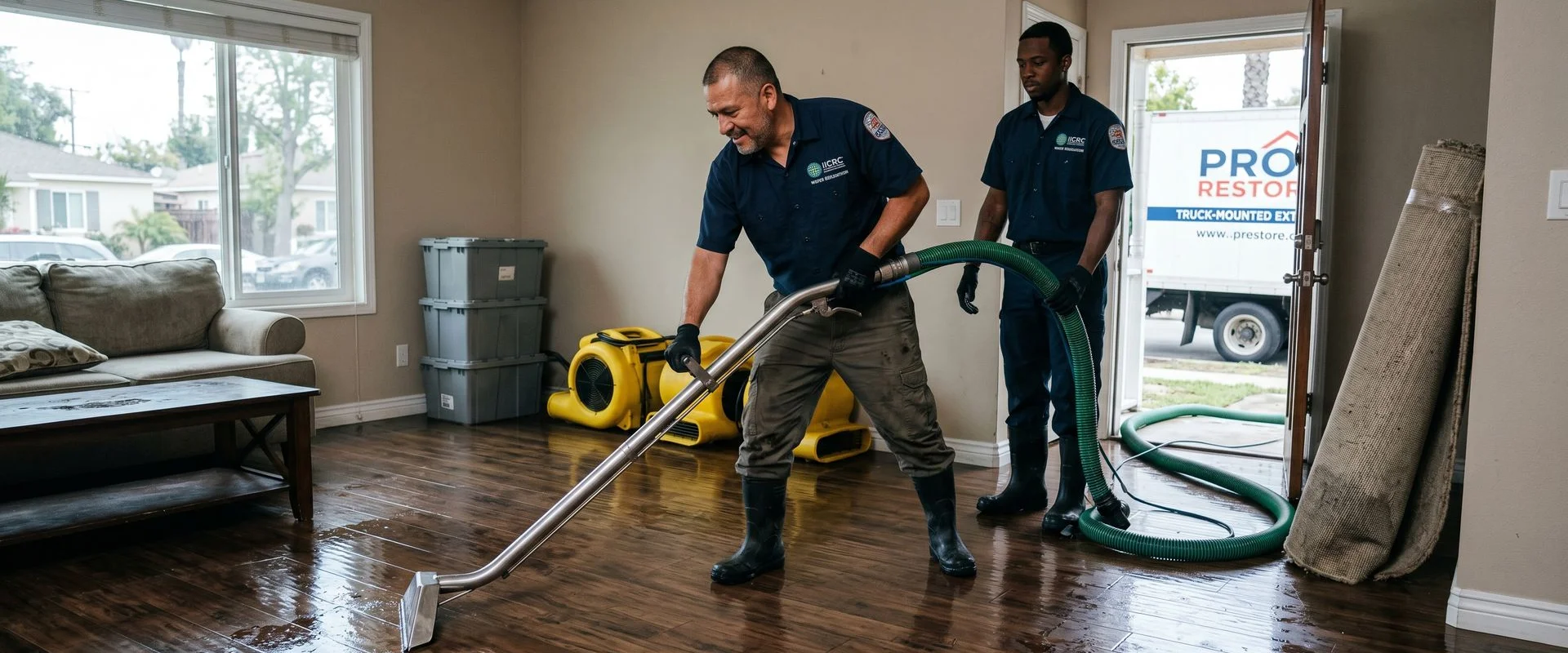
urgent water extraction, structural drying, and full restoration after burst pipes, slab leaks, appliance overflows, and storm flooding.
Related planning pages
Asbestos Testing Before Restoration in Older LA Homes can overlap with ceiling water damage, wet drywall, mold after a leak when the property has apartments, condos, hillside homes, older plumbing, crawl spaces, and tenant access schedules across Greater LA. Use these links to narrow the service, local access, and prep details.
For asbestos testing before restoration in older la homes, check these adjacent services when more than one part of the property is affected.
Los Angeles area pages help when parking, slopes, gates, building age, or access can change scheduling.
These guides help with asbestos testing before restoration in older la homes cost factors, timing, warning signs, and estimate questions.
For many older Los Angeles properties, asbestos testing is a critical step before any demolition or renovation, especially following water damage. Asbestos was commonly used in building materials for decades, and disturbing it without proper precautions can release dangerous fibers. Our certified professionals conduct thorough testing to identify asbestos-containing materials (ACMs) in your home or commercial property. This ensures that any subsequent restoration work is performed safely, protecting occupants and workers from exposure. Knowing if asbestos is present allows for informed decisions and compliant removal or encapsulation strategies.