
Water Damage Restoration services
For homes, apartments, condos, retail spaces, offices, ceilings, drywall, and bathrooms, compare the main water damage and mold cleanup requests before choosing a page.
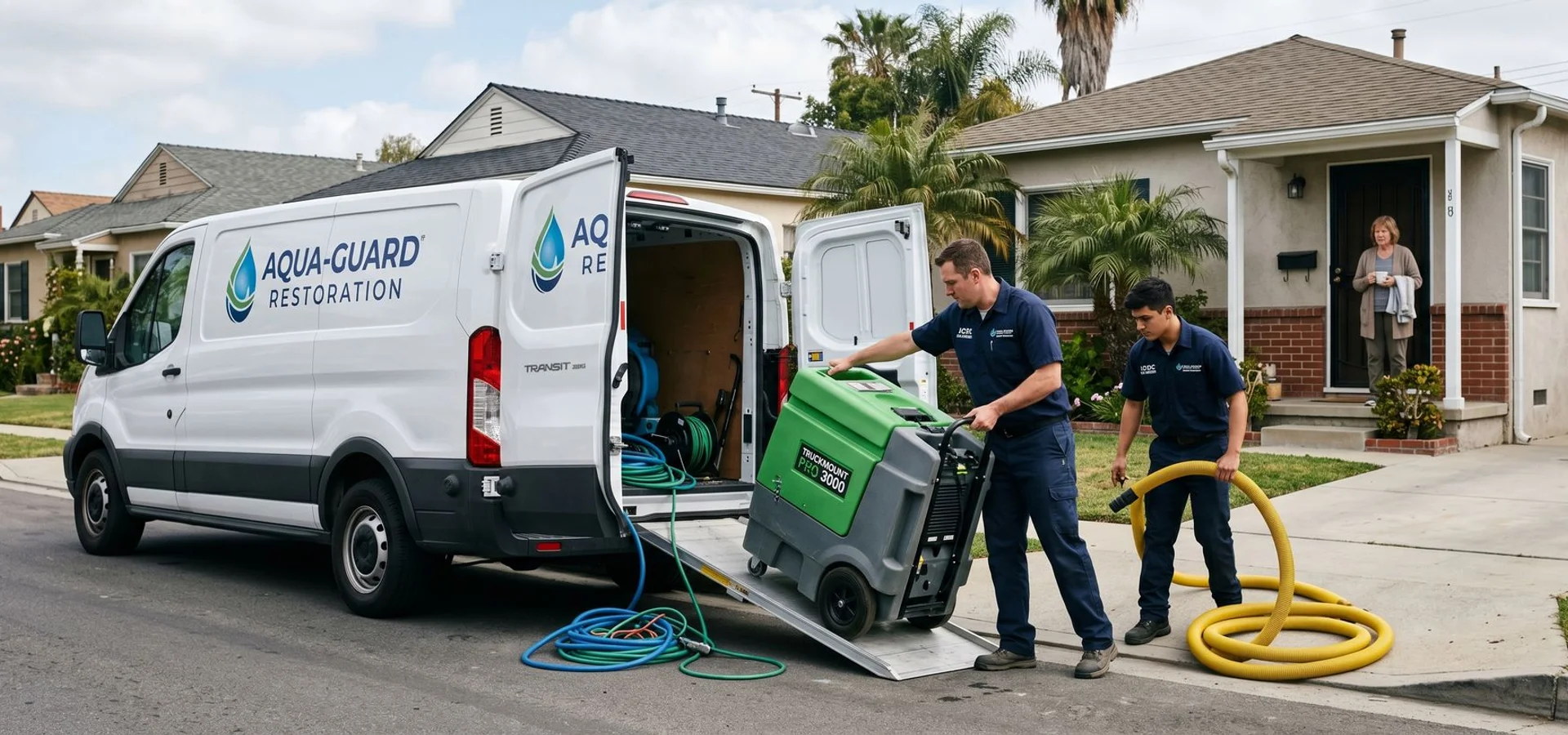
Water, fire, mold, sewage. We help document the job for your insurance discussion so you don't have to.
California restoration-focused. urgent request line across Greater LA + the San Fernando Valley.
Damage events get expensive fast. Here's what's actually at stake when you're standing in a flooded room or smelling smoke at 2am.
Water categories and material conditions can change when moisture sits. Fast documentation, source control, and drying can keep the repair scope from growing.
Sewage, smoke residue, and Stachybotrys release pathogens and mold-related contaminants. Cleanup without proper PPE and HEPA is hazardous.
Insurance paperwork can be confusing. Good photos, drying notes, and repair-scope details make the adjuster conversation easier.
Slab leaks, attic mold, and wildfire ash embed where you can't see them. We map it all with moisture checks before it spreads further.
Restoration request support ready to respond to water, fire, mold, or smoke emergencies the as soon as provider capacity allows.
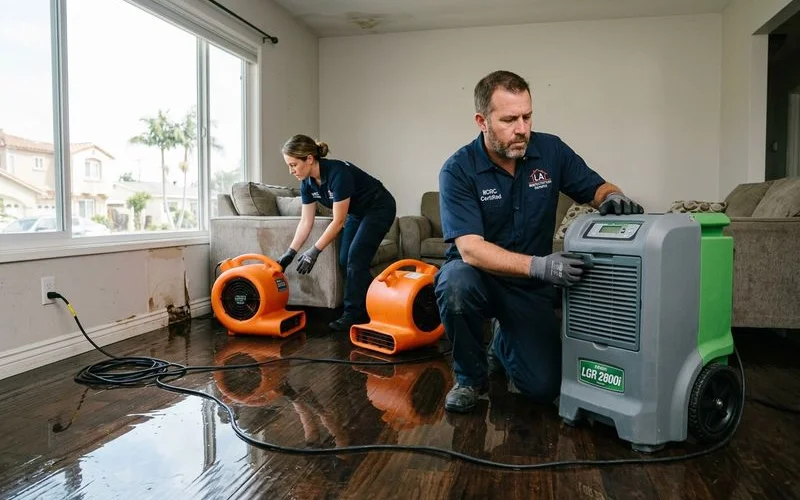
water category extraction, structural drying with LGR dehumidifiers, and full reconstruction under one California project requirements.
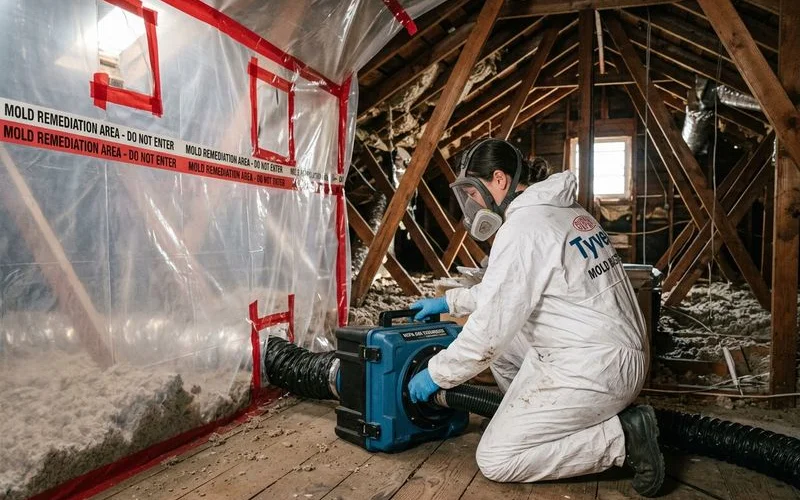
mold cleanup guidance mold inspection, HEPA-filtered containment, black mold removal, and post-remediation verification.
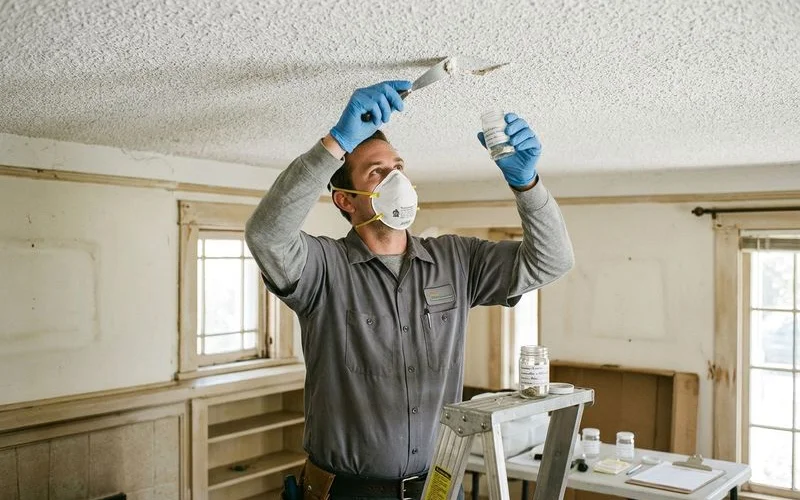
AQMD Rule 1403 sampling for popcorn ceilings, vinyl tile, and pipe wrap in pre-1980 LA homes before any restoration starts.
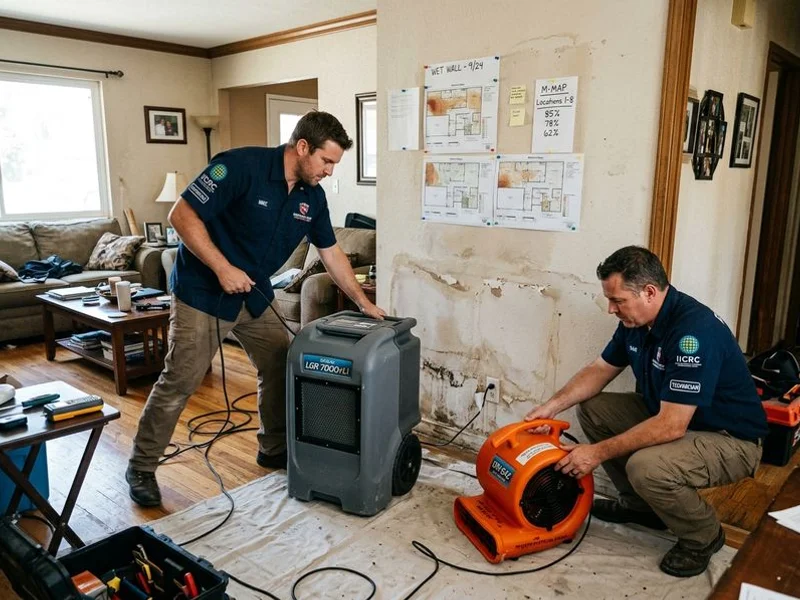
We've been Serving water damage and mold cleanup requests across North Hollywood and nearby communities. We hold every license and certification this work demands, and we treat the insurance claim as part of the job, not as your problem to solve alone. Project expectations should be documented before work begins.
North Hollywood service area covers Greater LA + the San Fernando Valley. Urgent Service Availability is available.
Water, mold, drying, cleanup, and repair-scope questions can be reviewed during scheduling.
Job notes, photos, moisture details, and repair-scope questions can be organized for your adjuster discussion. Your deductible and coverage depend on your policy and carrier.
Ask whether mitigation and repairs can be coordinated under one work plan, and how documentation will be handled.
A four-phase process built around restoration standards, daily documentation, and insurance documentation support.
You call 747-335-5310. urgent requests can be reviewed quickly — Urgent Service Availability is available.
the loss should be documented with source details, affected materials, photos, moisture notes, and insurance-contact information when available
Water extraction, structural drying with LGR dehumidifiers, soot cleanup, or HEPA-contained mold remediation using documented drying and cleanup steps.
Moisture readings and verification questions are reviewed before equipment is removed. Repair and reconstruction questions can be reviewed after the mitigation scope is clear.
Call now and we prioritize urgent requests. We help document the job for your insurance discussion, organize details for your adjuster discussion. urgent across Greater LA and the San Fernando Valley.
Share when the leak started, where water traveled, whether the source is stopped, and what flooring, cabinets, ceilings, or walls are wet.
Water damage documentation
Sherman Oaks
Mention visible mold, musty odor, attic or crawlspace concerns, and whether any testing, inspection, or clearance documentation has already been requested.
Mold cleanup notes
Inspection details
Take photos of flooring, baseboards, cabinets, ceilings, and adjacent rooms so the first conversation can separate drying, demolition, mold concerns, and repair questions.
Property access details
Northridge
Our North Hollywood service area means most San Fernando Valley addresses see us in service availability. We also dispatch across the basin, the Westside, and the South Bay urgent.
View All Service Areas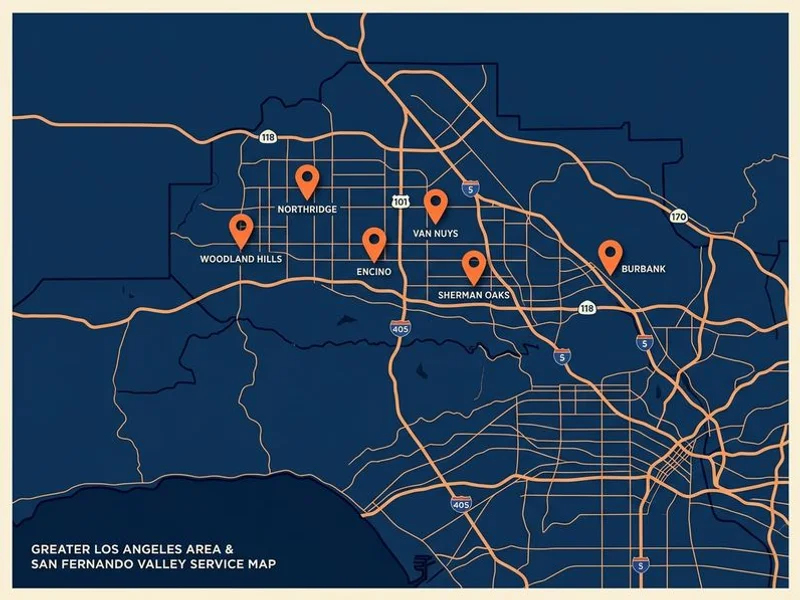
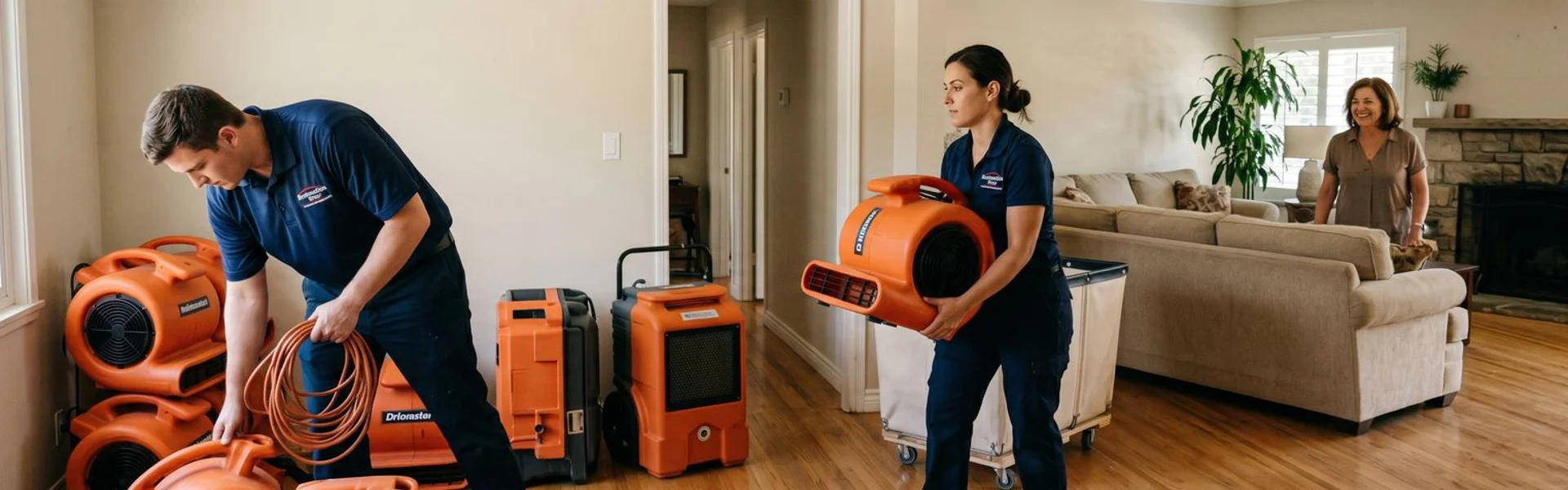
One call can start a restoration request review, estimate conversation, and documentation checklist.
These pages cover the real situations people ask about before they call: active leaks, wet drywall, sewage, apartment damage, and mold after water leaks.
Standing water, soaked flooring, and urgent extraction calls.
Category 3 water, backups, containment, and safe cleanup.
Pipe breaks, shutoff steps, drying, and insurance documentation.
Ceiling stains, sagging drywall, upstairs leaks, and mold risk.
What to do while water is actively dripping overhead.
Drywall moisture checks, drying decisions, and removal signs.
Musty odors, growth after leaks, containment, and testing.
Overflowed toilets, tubs, supply lines, and wet flooring.
Tenant, landlord, HOA, and multi-unit leak documentation.
Offices, retail spaces, apartments, and after-hours response.
Related planning pages
For Los Angeles properties with apartments, condos, hillside homes, older plumbing, crawl spaces, and tenant access schedules across Greater LA, start with the page that matches the job. These links narrow the request by service, area, and practical guide before the first call.
For homes, apartments, condos, retail spaces, offices, ceilings, drywall, and bathrooms, compare the main water damage and mold cleanup requests before choosing a page.
Los Angeles access, drive time, property type, and scheduling details can change the right next page.
Read these before calling if the project involves ceiling water damage, wet drywall, mold after a leak.
Urgent Water Damage Help
When water damage or mold strikes your Los Angeles property, acting quickly is essential to prevent further damage and costly repairs. Whether it's a burst pipe, a ceiling leak, or the discovery of black mold, understanding your options can help you make informed decisions. We offer comprehensive restoration services, from emergency water extraction to thorough mold remediation, ensuring your home or business is returned to a safe and healthy condition. Our goal is to guide you through the process, minimizing stress and maximizing recovery.
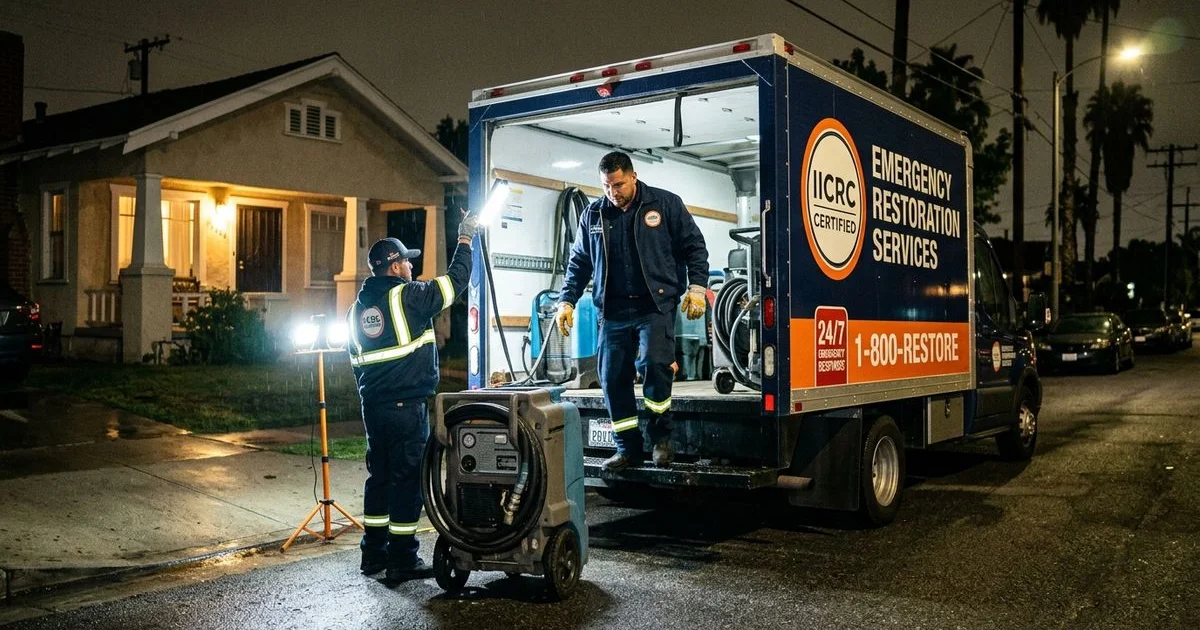
When a sudden flood or major leak occurs, immediate water removal is critical. Standing water can quickly cause structural damage and create a breeding ground for mold. We provide rapid response services to extract water efficiently and begin the drying process.
Get Water OutDiscovering mold, especially black mold, in your Los Angeles home can be concerning. Mold thrives in our humid conditions and after water leaks. Our experts can identify the type and extent of mold, then safely remove it and prevent its return.
Address MoldBurst pipes can cause extensive damage in a short amount of time, often affecting multiple rooms. The sudden influx of water requires immediate attention to mitigate the spread and prevent long-term issues like structural decay and hidden mold growth.
Fix Burst PipesWater coming through your ceiling often indicates a hidden leak from an upstairs bathroom, roof, or attic. This type of damage can weaken structural integrity and lead to significant mold issues if not addressed promptly and thoroughly.
Repair CeilingsMany older Los Angeles homes may contain asbestos in building materials. Before any demolition or renovation due to water damage, testing for asbestos is crucial for safety and compliance. We offer testing to ensure a safe restoration process.
Test for AsbestosWater damage in a commercial property can disrupt operations and lead to significant financial losses. We understand the urgency of restoring business premises quickly and efficiently, minimizing downtime and ensuring a safe environment for employees and customers.
Commercial HelpLos Angeles properties face unique challenges when it comes to water damage and mold. Our climate, with its occasional heavy rains and high humidity, can exacerbate moisture issues. Older homes common throughout the region often have aging plumbing systems prone to leaks, and their construction materials can be more susceptible to water absorption and mold growth. Additionally, the dense urban environment means that water damage in one unit, like an apartment, can quickly impact others. Slab foundations, prevalent in many LA homes, can hide leaks for extended periods, leading to significant sub-floor damage and mold development. Understanding these local conditions helps us provide targeted and effective restoration solutions.
Facing water damage or discovering mold can feel overwhelming. Your next steps are crucial for minimizing harm and ensuring a smooth recovery. First, prioritize safety by turning off the water source if possible and disconnecting electricity in affected areas. Document everything with photos and videos for potential insurance discussions. Avoid attempting to clean up large water damage or mold on your own, especially if it involves sewage or black mold, as these can pose health risks. Contacting professionals who understand the complexities of water extraction, drying, and mold remediation is the most effective way to protect your property and health. They can assess the full extent of the damage, including hidden moisture, and develop a comprehensive restoration plan.
A flooded bathroom can quickly spread water throughout your home. Addressing it immediately prevents extensive damage to flooring, subflooring, and adjacent rooms, as well as potential mold growth.
Even a small leak can lead to significant water accumulation and hidden mold over time. If you've had a leak, ensuring all moisture is removed and dried is crucial to prevent secondary damage.
Sewage contains harmful contaminants and requires specialized cleanup to protect health and property. This is a biohazard situation that demands immediate and professional attention to ensure safety.
Wet drywall can quickly become a breeding ground for mold and lose its structural integrity. Prompt drying and, if necessary, removal of affected drywall are essential to prevent further issues.
Water damage in an apartment can affect your unit and potentially others. Swift action is needed to mitigate damage, protect personal belongings, and coordinate with property management.
Unexplained musty odors, peeling paint, or warped floors can indicate hidden water damage. Early detection and professional assessment are key to preventing widespread structural problems and mold.
Explore more detailed information on specific water damage and mold issues, or find services tailored to your exact location within Greater Los Angeles and the San Fernando Valley. Our resources are designed to help you understand potential risks and available solutions.
Mold can begin to grow within 24 to 48 hours after water damage occurs, especially in warm, humid environments common in Los Angeles. This rapid growth underscores the importance of immediate water extraction and drying to prevent widespread contamination.
Cleaning black mold (Stachybotrys) yourself is not recommended due to potential health risks. Professional mold remediation involves specialized equipment and techniques to safely contain and remove mold, preventing its return and protecting occupants.
Emergency water extraction is the rapid removal of standing water from your property using powerful pumps and vacuums. This crucial first step in water damage restoration helps prevent further saturation of materials and significantly reduces drying time.
Hidden water leaks are detected using advanced tools like moisture meters, thermal imaging cameras, and boroscopes. These technologies allow professionals to identify moisture behind walls, under floors, and in ceilings without destructive investigation.
Asbestos testing is highly recommended, and often legally required, for homes built before 1980 if renovation or demolition is part of the restoration. Disturbing asbestos-containing materials without proper precautions can release hazardous fibers into the air.