
Nearby service requests
For mold inspection and remediation in greater la, check these adjacent services when more than one part of the property is affected.
mold cleanup planning mold inspection, containment, removal, and post-remediation verification for homes and commercial buildings.
Have you ever noticed a strange, musty smell in your home and felt a sudden wave of panic?
Finding a dark patch on your drywall is terrifying for any homeowner. We understand exactly how stressful that discovery is for your family.
This issue goes far beyond a simple cosmetic problem. Recent 2026 data from RubyHome shows that nearly 47% of U.S. residential buildings experience visible mold or detectable odors.
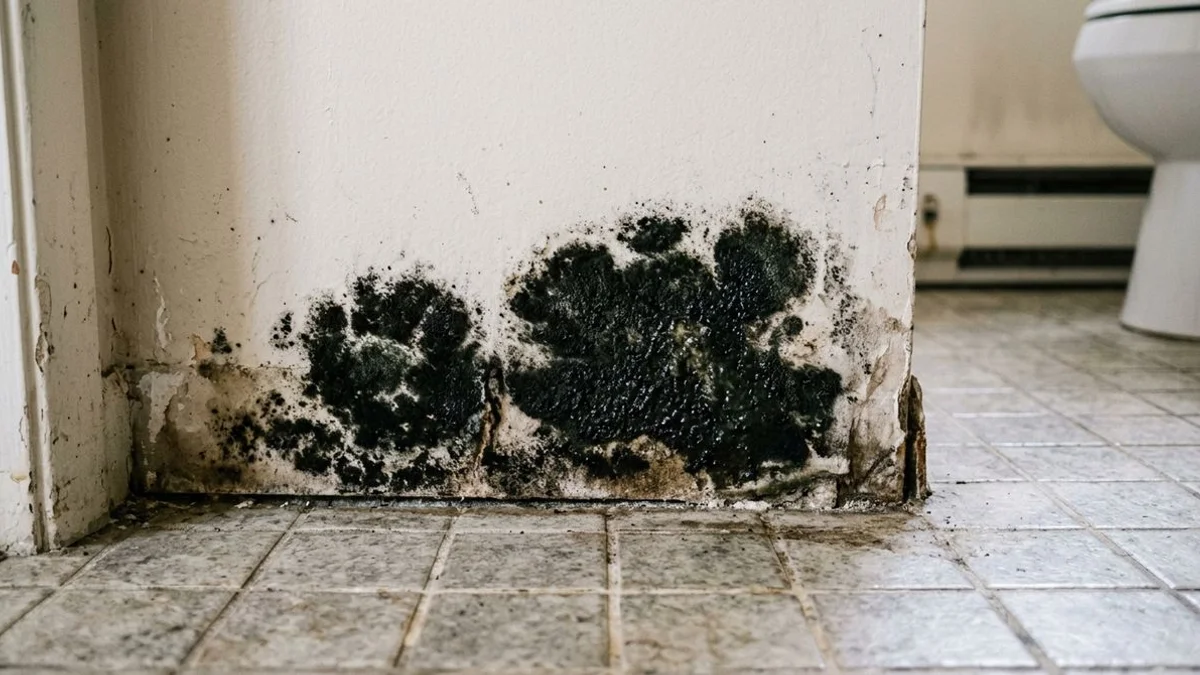
Dark growth after a leak can look similar across several mold types, so visual identification alone is not reliable. If you are not sure what you are seeing, our guide to black mold warning signs explains when to document the area, avoid disturbing materials, and ask about inspection, containment, cleanup, and verification options.
Mold cleanup should follow a clear sequence: inspect the moisture source, limit spread, remove affected materials where needed, clean remaining surfaces, and discuss follow-up verification when documentation is required. The Greater LA climate creates very specific challenges for property owners.
Southern California weather patterns create distinct moisture problems, including:
Each of these unique situations requires a targeted, practical containment and cleanup plan matched to the property.
Current mold cleanup guidance emphasizes source removal and moisture control rather than simply spraying over a problem. Ask how affected material, containment, cleaning, and drying will be handled before work begins.
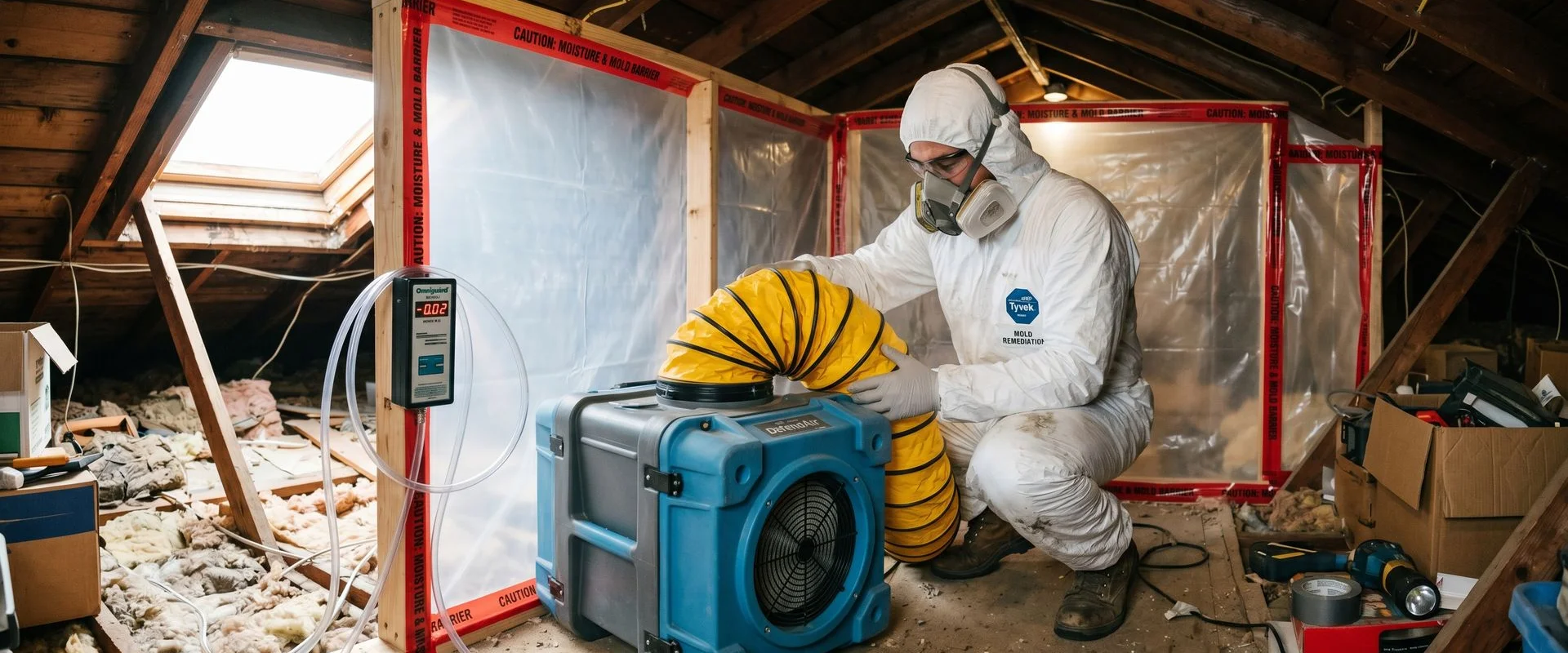
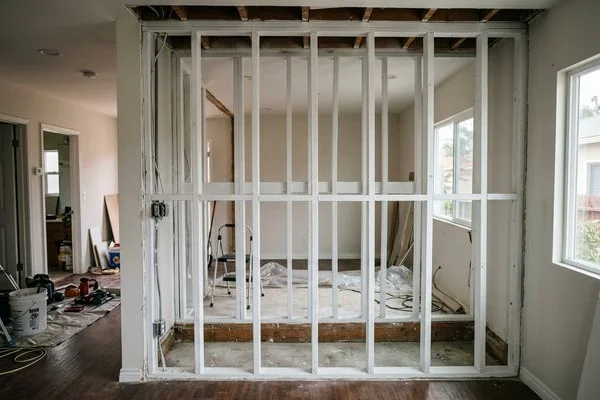
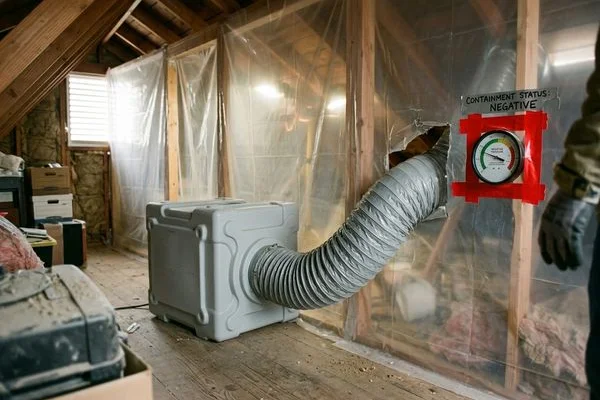
Containment barriers, filtered air equipment, and careful work-area separation may be used when the scope calls for it. The plan should explain how dust, debris, and affected materials will be controlled before cleanup starts.
Cleaning products and antimicrobial use should be matched to the material, water source, and label directions. Ask what products may be used, why they are appropriate, and what ventilation or re-entry guidance applies.
The goal is always twofold. First, safely eliminate the fungal growth, and second, find the moisture source that fed it.
If an inspection reveals a water-driven cause behind the damage, such as a slow pipe drip or a roof penetration, we coordinate immediately with the water damage restoration side of the team to fix the root cause. Removing visible growth without repairing the leak can allow the problem to return.
Moisture control is the foundation of any successful project. You can scrub a wall perfectly clean, but it will turn green again in a week if the drywall stays damp.
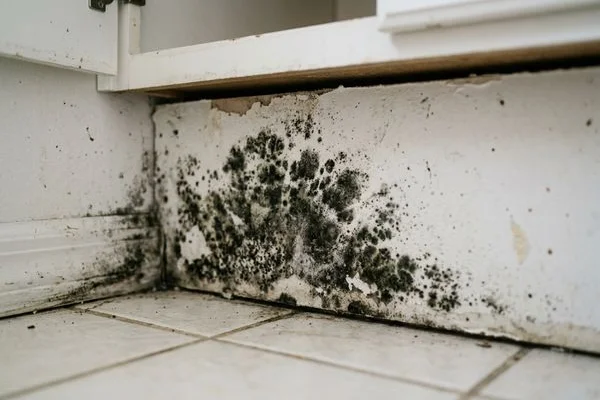
Certain areas of your house are practically magnets for moisture and fungal growth. We see specific patterns every day while serving neighborhoods across the city.
Here are the most frequent trouble spots you should check right now:
Catching these issues early saves you a significant amount of money. Recent 2026 data from Angi reveals that a basic pipe leak repair might only cost varies by scope to varies by scope in Los Angeles.
If that same leak goes ignored and turns into a fungal infestation, the average cost of professional remediation jumps to varies by scope. Our technicians highly recommend checking under your sinks and around your HVAC unit at least once a month.
A quick monthly check can help catch moisture issues before they spread into larger repairs.
Some projects may call for independent clearance or follow-up testing, especially when an insurer, buyer, tenant, or property manager needs documentation.
When clearance is requested, an independent environmental professional can collect samples after cleanup and compare results against the agreed verification standard.
Section 9.3 of the ANSI/mold cleanup guidance standard officially outlines this Post-Remediation Verification (PRV) process. This type of follow-up documentation can be useful for insurance questions, real estate transactions, and owner records.
You might wonder why formal lab testing is necessary if the wall looks clean. Here is a quick breakdown of the difference:
| Verification Method | What It Detects | Reliability for Insurance |
|---|---|---|
| Basic Visual Inspection | Only visible surface growth and obvious water stains. | Low. Usually not accepted for final claim payouts. |
| PRV Air Quality Testing | Airborne particles and conditions that may need follow-up. | Useful when a carrier, inspector, or owner requests follow-up documentation. |
Some claims or real estate situations may request follow-up documentation before final decisions are made. Requirements vary by carrier, buyer, inspector, and policy language.
Follow-up testing can be discussed when documentation is needed for the job file, insurance conversation, or sale process.
Dealing with property damage is stressful. Good photos, notes, moisture readings, and repair-scope details can make the insurance conversation easier.
Mold coverage depends on the policy, cause of loss, exclusions, endorsements, and carrier review. Ask your carrier or adjuster what documentation they need before assuming coverage.
However, this coverage usually only applies if a “sudden and accidental” covered water event caused the growth, like a burst pipe or a sudden storm leak. Careful documentation, photos, moisture notes, and a written repair scope can help the adjuster understand the loss.
Once a claim is reviewed, the next steps depend on the carrier, policy terms, deductible, approved scope, and selected provider.
If the damage stems from something insurance categorizes as “deferred maintenance,” such as a long-term shower leak or high bathroom humidity, the project becomes a private-pay situation. Insurance companies expect homeowners to perform routine upkeep, so they rarely cover gradual decay.
Ask for a detailed written estimate and scope notes before approving work.
Persistent moisture and visible growth should not be ignored.
Whether the next step is cleanup, drying, inspection, or a repair-scope conversation, prompt documentation helps keep the project organized.
A small spot on the ceiling can turn into a major structural problem if ignored. Call with photos, timing, affected rooms, and any insurance or property-management details so the next step can be reviewed.
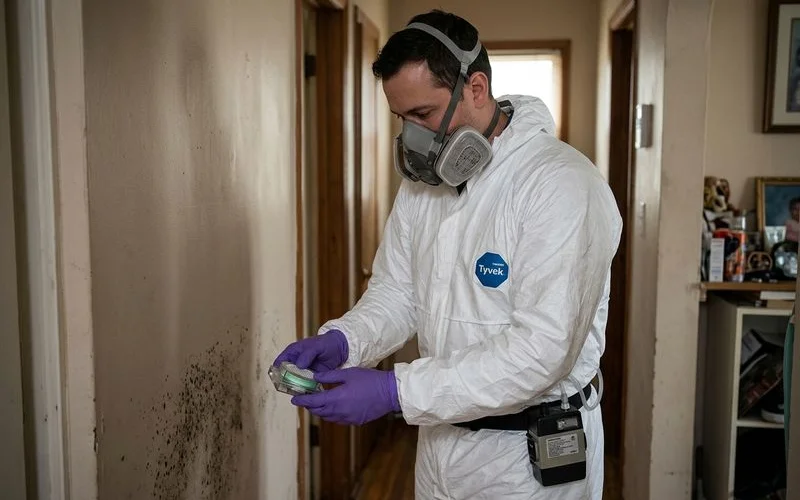
Visual inspection and sampling questions can be reviewed. Reading 24–48 hours.
6-mil polyethylene barriers with negative air pressure. HEPA air scrubbers run throughout the work.
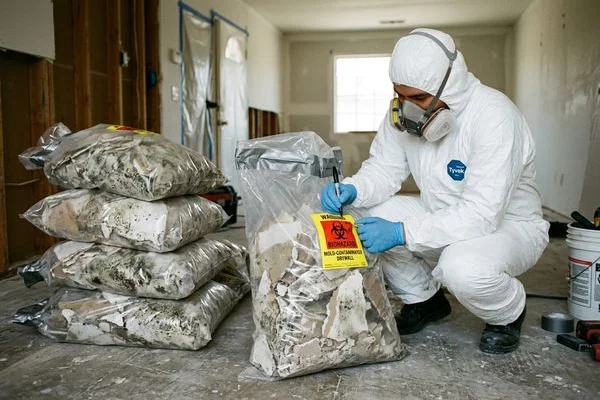
Affected porous materials removed and bagged for compliant disposal. EPA-registered antimicrobials applied to remaining surfaces.
clearance or follow-up testing can help confirm the area returns to normal fungal ecology before we close out.
Call now — we prioritize urgent requests and help document the job for your insurance discussion. urgent across Greater LA and the San Fernando Valley.
In-depth guides on mold — written by our restoration-focused team.
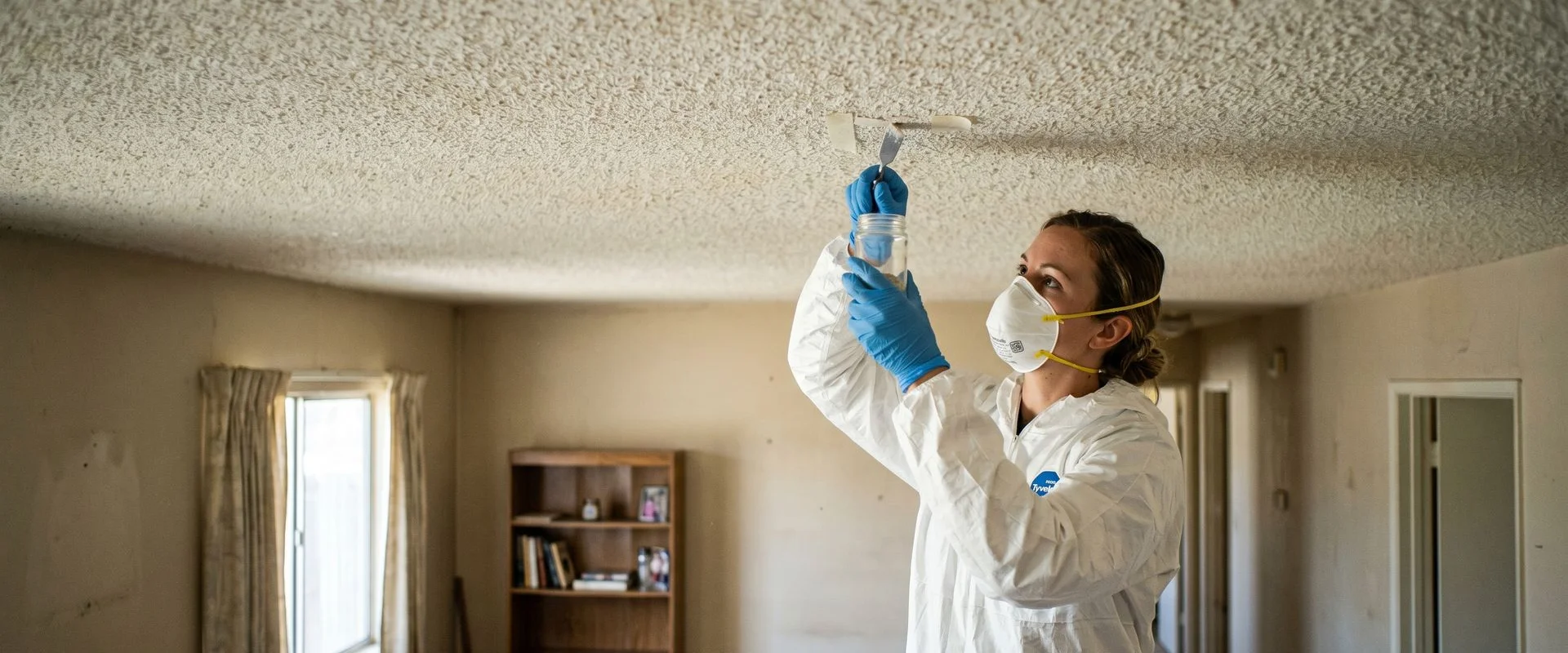
Asbestos sampling and testing before restoration of pre-1980 LA homes — popcorn ceilings, vinyl tile, pipe wrap, and roofing materials.
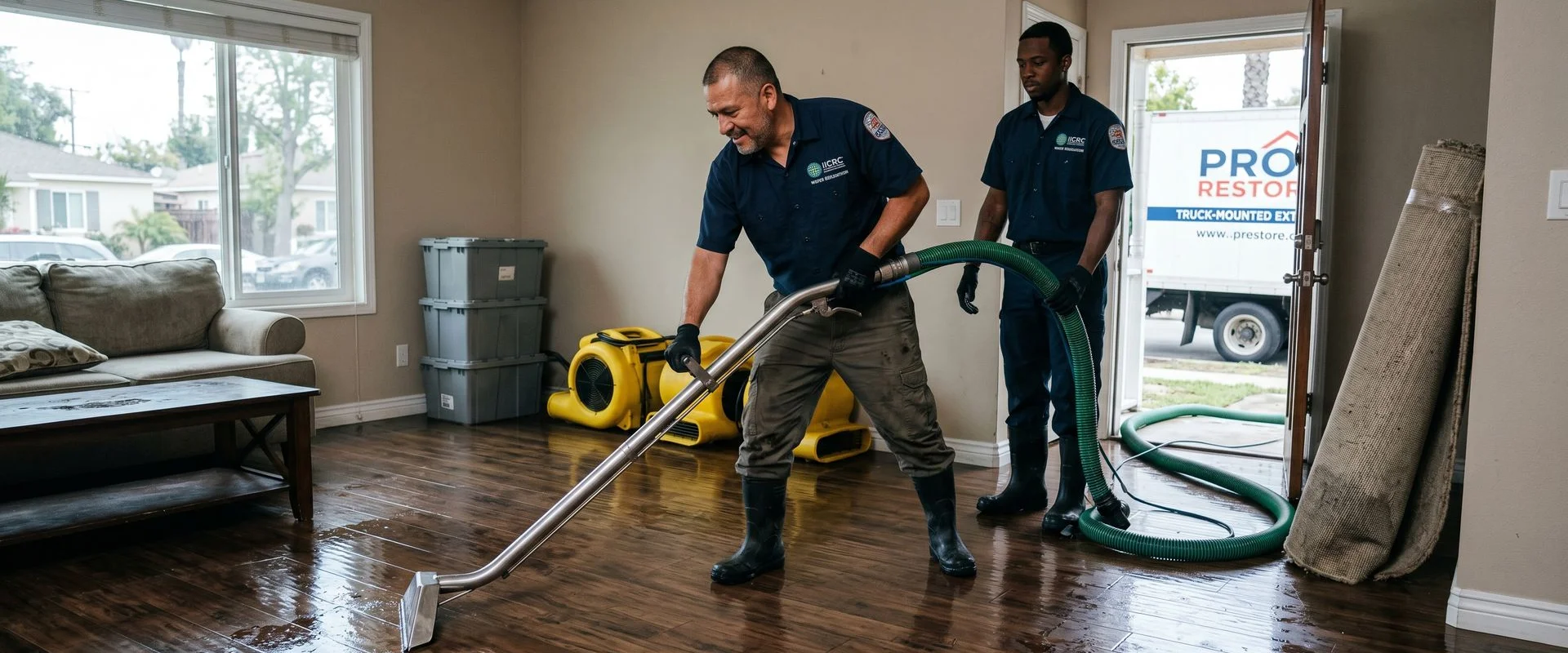
urgent water extraction, structural drying, and full restoration after burst pipes, slab leaks, appliance overflows, and storm flooding.
Related planning pages
Mold Inspection and Remediation in Greater LA can overlap with ceiling water damage, wet drywall, mold after a leak when the property has apartments, condos, hillside homes, older plumbing, crawl spaces, and tenant access schedules across Greater LA. Use these links to narrow the service, local access, and prep details.
For mold inspection and remediation in greater la, check these adjacent services when more than one part of the property is affected.
Los Angeles area pages help when parking, slopes, gates, building age, or access can change scheduling.
These guides help with mold inspection and remediation in greater la cost factors, timing, warning signs, and estimate questions.
Mold growth in Los Angeles homes can pose significant health risks and compromise structural integrity. Our mold remediation process starts with a thorough inspection to identify the source and extent of the contamination, including hidden mold. We then implement containment strategies to prevent spores from spreading during removal. Using specialized equipment and techniques, we safely remove mold-infested materials, clean affected surfaces, and apply antimicrobial treatments. Finally, we ensure proper drying and ventilation to prevent future mold growth, restoring a healthy indoor environment for your family or business.