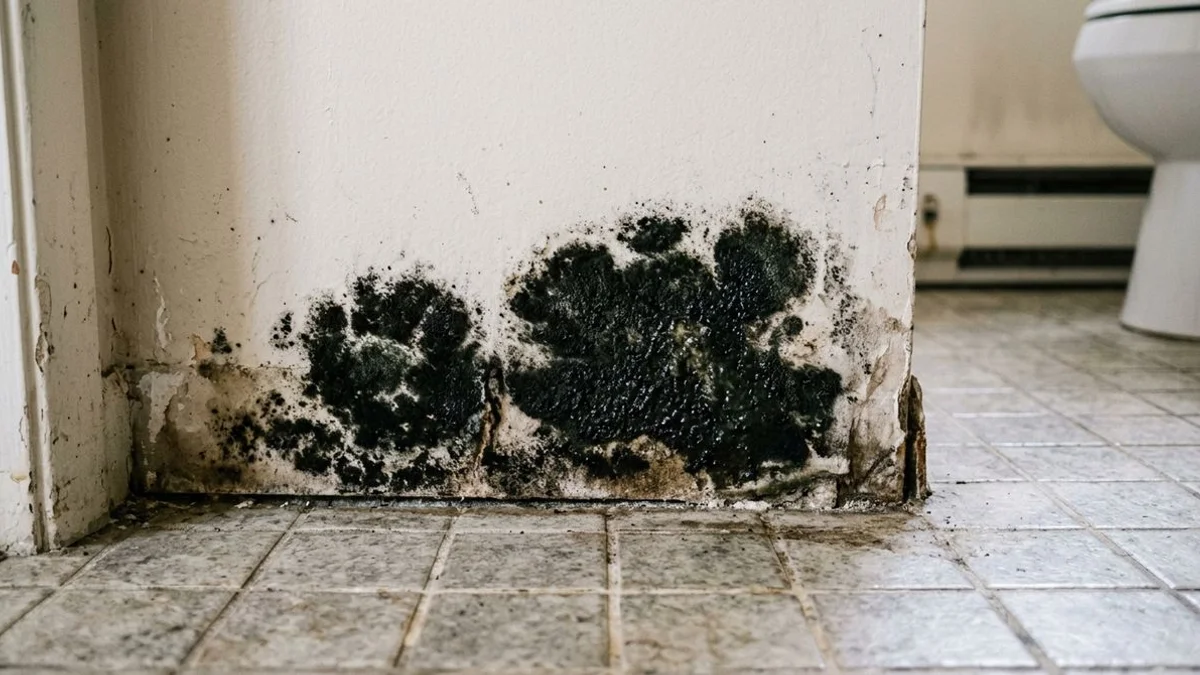
Close-up of black mold colony at the bottom of drywall

Water Leak & Mold

Mold-Like Growth After a Water Leak in Los Angeles

A water leak can quickly lead to visible mold-like growth on surfaces like drywall and wood. Addressing this promptly is key to preventing further damage and health concerns.

In Los Angeles's climate, moisture can accelerate mold development. Understanding the steps to take after noticing growth can protect your property and well-being.

What to Do About Mold After a Leak

If you notice mold-like growth following a water leak in your Los Angeles home, document the appearance and location. Ensure the area is thoroughly dried to prevent further growth. For significant growth or if you suspect hidden mold, consider professional inspection and remediation services to ensure it's safely removed and the underlying moisture issue is resolved.

Documenting Mold Growth

Take clear photos and videos of the mold-like growth, noting the date and the water source if known. This documentation is helpful for insurance claims and professional assessments. Note any associated odors or health symptoms experienced by occupants.

Controlling Moisture

The most critical step is to stop the water source and thoroughly dry the affected area. Use fans and dehumidifiers to speed up the drying process. In Los Angeles's warm climate, moisture can become a breeding ground for mold quickly if not addressed.

When to Test for Mold

Testing is recommended if the mold covers a large area, if occupants have health sensitivities, or if you need definitive identification for insurance or legal purposes. A professional can perform air and surface sampling. Verify any testing protocols with a qualified inspector.

Remediation Process

Small areas of surface mold may be cleaned by a homeowner, but larger infestations or growth within walls often require professional remediation. This involves containment, removal of contaminated materials, and thorough cleaning to prevent recurrence. Always verify the qualifications of remediation professionals.

Steps After Noticing Mold Growth

  • Photograph the mold and surrounding area.
  • Identify and stop the water source.
  • Ventilate the space to aid drying.
  • Use dehumidifiers to remove excess moisture.
  • Consult a professional for large or persistent growth.
  • Consider professional mold testing.
  • Follow professional remediation advice.

Learn More About Water Damage and Mold

Understanding the risks and processes involved in water damage and mold remediation is key to protecting your Los Angeles property. Explore these resources for more information.

Common Questions About Mold After Leaks

Is all mold after a leak dangerous?

Not all mold is equally harmful, but any mold growth indicates a moisture problem. Some types can cause allergic reactions or respiratory issues, so it's best to address all mold growth.

How long does it take for mold to grow after a leak?

Mold can begin to grow within 24-48 hours in moist conditions. Los Angeles's warm indoor temperatures can accelerate this process if humidity isn't controlled.

Can I clean mold myself?

For very small, surface mold spots (less than 10 sq ft), you might clean it yourself with detergent and water. However, for larger areas or if it's inside walls, professional remediation is safer and more effective.

Do I need to test for asbestos before mold remediation?

If your Los Angeles home was built before 1980, materials like drywall or insulation might contain asbestos. It's wise to verify this possibility with a qualified inspector before disturbing any suspect materials during remediation.