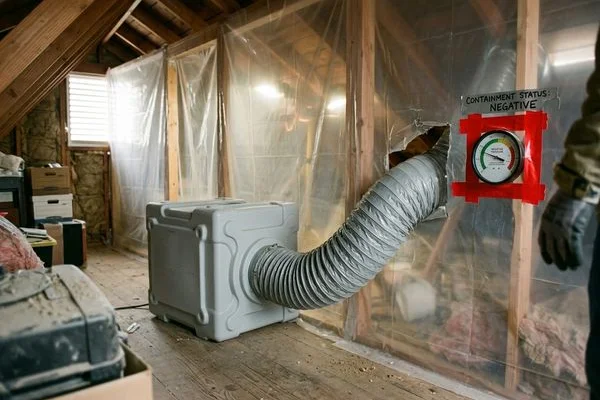
HEPA air scrubber running inside containment barrier

Sewage Cleanup

Sewage Backup Cleanup Scope for Your Los Angeles Home

Dealing with a sewage backup in Los Angeles requires a clear understanding of the cleanup process. This involves immediate containment, thorough removal of contaminated materials, and effective drying to prevent further damage and health risks.

We address Category 3 water damage, which includes sewage and contaminated water. Our approach focuses on meticulous containment, specialized extraction, and comprehensive drying to ensure your home is safe and healthy again.

Sewage Backup Cleanup Essentials

Sewage backups create Category 3 water damage, posing significant health risks. Cleanup requires immediate action to contain the affected area, remove contaminated materials like carpets and drywall, and then thoroughly dry and sanitize the space. Documentation is key for insurance claims. Before work begins, verify that the sewage line issue has been repaired by a plumber and that any necessary permits for restoration work are considered.

Understanding Category 3 Water

Category 3 water, often called black water, includes sewage and highly contaminated sources. This type of water damage requires specialized equipment and protocols to safely remove and remediate. Proper containment is essential to prevent cross-contamination to unaffected areas of your home.

Containment and Removal Process

Effective containment involves sealing off the affected area to prevent the spread of contaminants. Removal includes discarding porous materials like drywall, insulation, and flooring that have been saturated. Non-porous items may be salvageable after thorough cleaning and disinfection.

Drying and Deodorization

After removal, industrial-grade drying equipment such as air movers and dehumidifiers are used to extract moisture from the structure. Deodorization treatments are critical to neutralize odors associated with sewage backup, ensuring a healthy indoor environment.

Documentation for Insurance

Detailed documentation, including photos and a scope of work, is vital for insurance claims. This helps ensure that all necessary remediation steps are covered. Keep records of all communication and services provided throughout the cleanup process.

Sewage Backup Cleanup Checklist

  • Confirm sewage line is repaired by a plumber.
  • Isolate and contain the affected area.
  • Remove all contaminated porous materials.
  • Clean and disinfect all affected surfaces.
  • Set up drying and dehumidification equipment.
  • Monitor moisture levels until dry.
  • Perform deodorization treatments.

Related Sewage Cleanup Information

Learn more about the complexities of sewage backup and water damage restoration in Los Angeles. Understanding these issues can help you make informed decisions during a difficult time.

Sewage Backup Cleanup FAQs

What is Category 3 water damage?

Category 3 water is highly contaminated and includes sewage, floodwaters from rivers, and other sources that pose a severe health risk. It requires professional handling for safe cleanup and restoration.

How long does sewage cleanup take?

The timeline varies based on the extent of the damage. Initial cleanup and drying can take several days, with full restoration potentially taking weeks. Prompt action is crucial to minimize damage.

Can I clean up sewage backup myself?

It is strongly advised against DIY cleanup due to significant health risks. Professionals use specialized equipment and protective gear to safely manage contaminated materials and ensure thorough remediation.

What about potential mold growth after a sewage backup?

Standing water and high humidity from sewage backups create ideal conditions for mold. Thorough drying and disinfection are essential to prevent mold from developing after the initial cleanup.