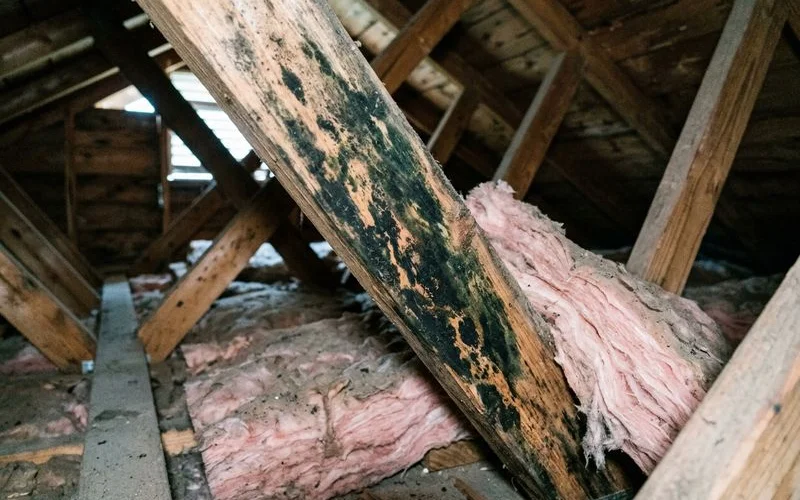
close up of attic rafter with visible stachybotrys

Attic Mold

Attic Mold Inspection Report: Understanding the Findings

An attic mold inspection report can raise concerns, especially in Los Angeles homes. Understanding the findings is key to addressing any issues effectively.

Assistance is available for homeowners in Los Angeles, Van Nuys, and Sherman Oaks to understand and address attic mold concerns identified in inspection reports.

Attic Mold Inspection Report Explained

If your attic mold inspection report indicates growth, it's important to understand the extent and type of mold. Older Los Angeles homes may have specific concerns. You should verify if the report recommends professional remediation or if further testing is needed. Understanding the scope helps determine the best course of action for your property.

Interpreting Your Attic Mold Inspection Report

Your attic mold inspection report details findings like visible mold growth, moisture sources, and potential health concerns. It may also call out specific types of mold, like Stachybotrys chartarum, often found in damp attics. Understanding these details is crucial for planning effective remediation and preventing future issues in your Los Angeles home.

Common Causes of Attic Mold in Los Angeles

Attics in Los Angeles can develop mold due to inadequate ventilation, roof leaks, or condensation from temperature fluctuations. Older homes, particularly those with pre-1980 materials, may have unique challenges. Identifying the moisture source is the first step in preventing mold recurrence after remediation.

What to Do After an Attic Mold Inspection

After receiving your attic mold inspection report, it's vital to address the findings promptly. If the report suggests significant mold or structural concerns, consult with a remediation specialist. They can assess the situation, develop a remediation plan, and ensure the attic is safe and dry.

When to Consider Professional Attic Mold Remediation

For extensive mold growth or if you suspect hidden moisture issues, professional attic mold remediation is recommended. Specialists have the equipment and knowledge to safely remove mold, dry affected materials, and implement preventative measures. Always verify that the remediation plan addresses the root cause of the moisture.

Before Starting Attic Mold Remediation

  • Review the full inspection report carefully.
  • Identify the source of moisture in the attic.
  • Determine if asbestos testing is needed for older materials.
  • Understand the scope of work recommended.
  • Verify if professional remediation is required.
  • Document all findings and proposed solutions.

Related Attic Mold Concerns

Homeowners in Los Angeles often face attic mold. Learn more about related issues and how to protect your home from moisture damage and mold growth.

Attic Mold FAQs

Can I clean attic mold myself?

Small, surface mold spots might be cleanable, but extensive growth or hidden moisture requires professional assessment. Improper cleaning can spread spores. Always verify the extent of the problem first.

What does 'Stachybotrys' mean in a report?

Stachybotrys, often called black mold, thrives in damp conditions. Its presence indicates a significant moisture problem that needs to be addressed to prevent further growth.

How long does attic mold remediation take?

The duration varies based on the severity and size of the affected area. It can range from a few days to over a week, including drying and containment.

Do I need to test for asbestos in my attic?

If your Los Angeles home was built before 1980, materials like insulation or ceiling tiles may contain asbestos. Verify with a professional if testing is needed before disturbing any materials.